Living Arts Project
Wexford Arts Centre and Wexford County Council Arts Department
2024–2026
New Ross Educate Together and Clonroche National School, County Wexford
As an Assistant Artist on the Living Arts Project, I supported two sustained visual-arts residencies in Wexford primary schools. Working alongside lead artists, teachers, pupils, mentors and the Wexford Arts Centre team, I helped create exploratory programmes connecting contemporary art with storytelling, folklore, landscape and local cultural heritage.
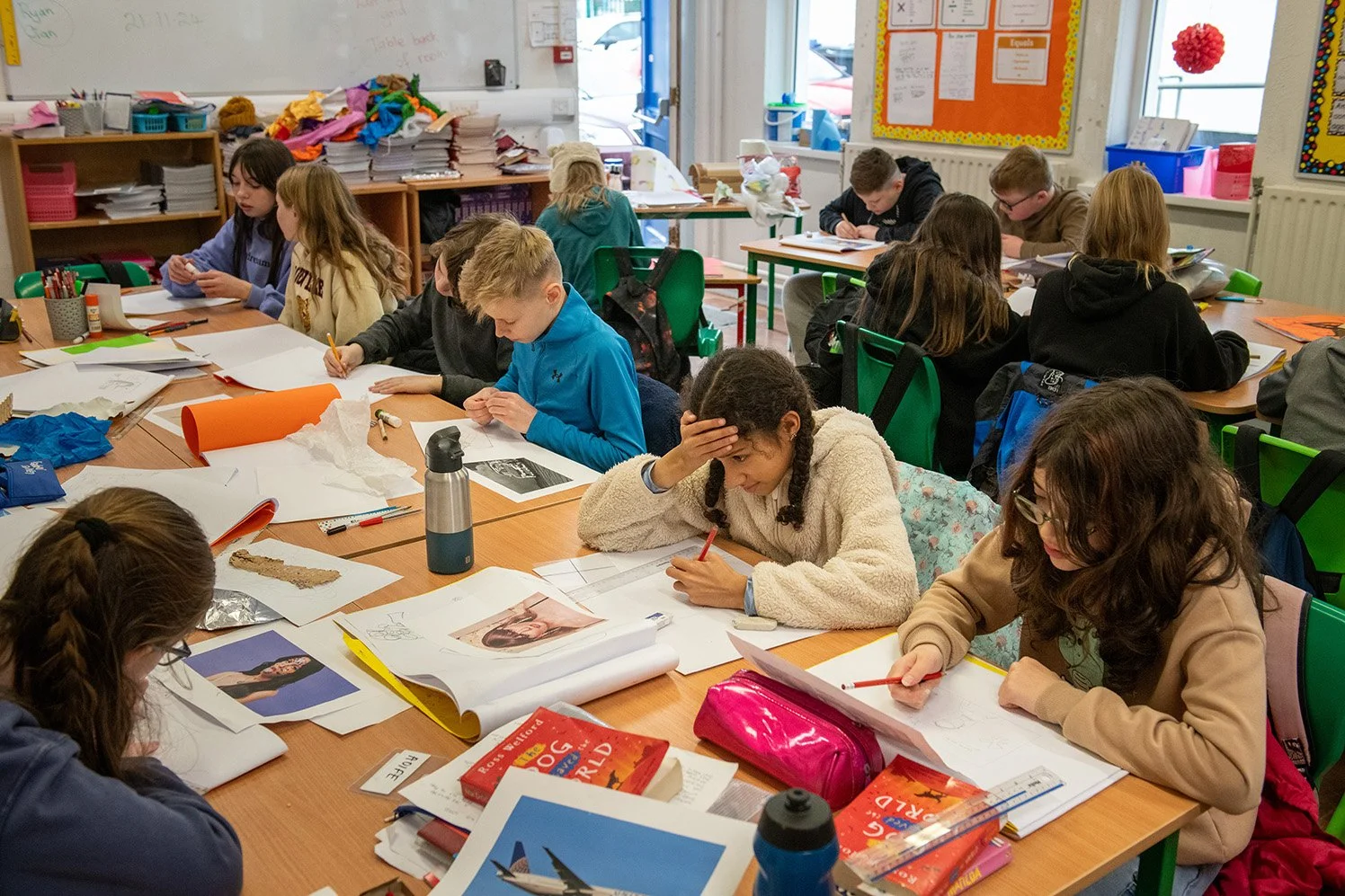
Across the two academic years, pupils moved through processes of research, play and creative experimentation before developing their ideas into artworks for public exhibitions at Wexford Arts Centre. The residencies gave pupils extended time to encounter materials, build confidence and experience how an artwork can develop from an initial idea into something presented within a professional gallery.
Programme Development
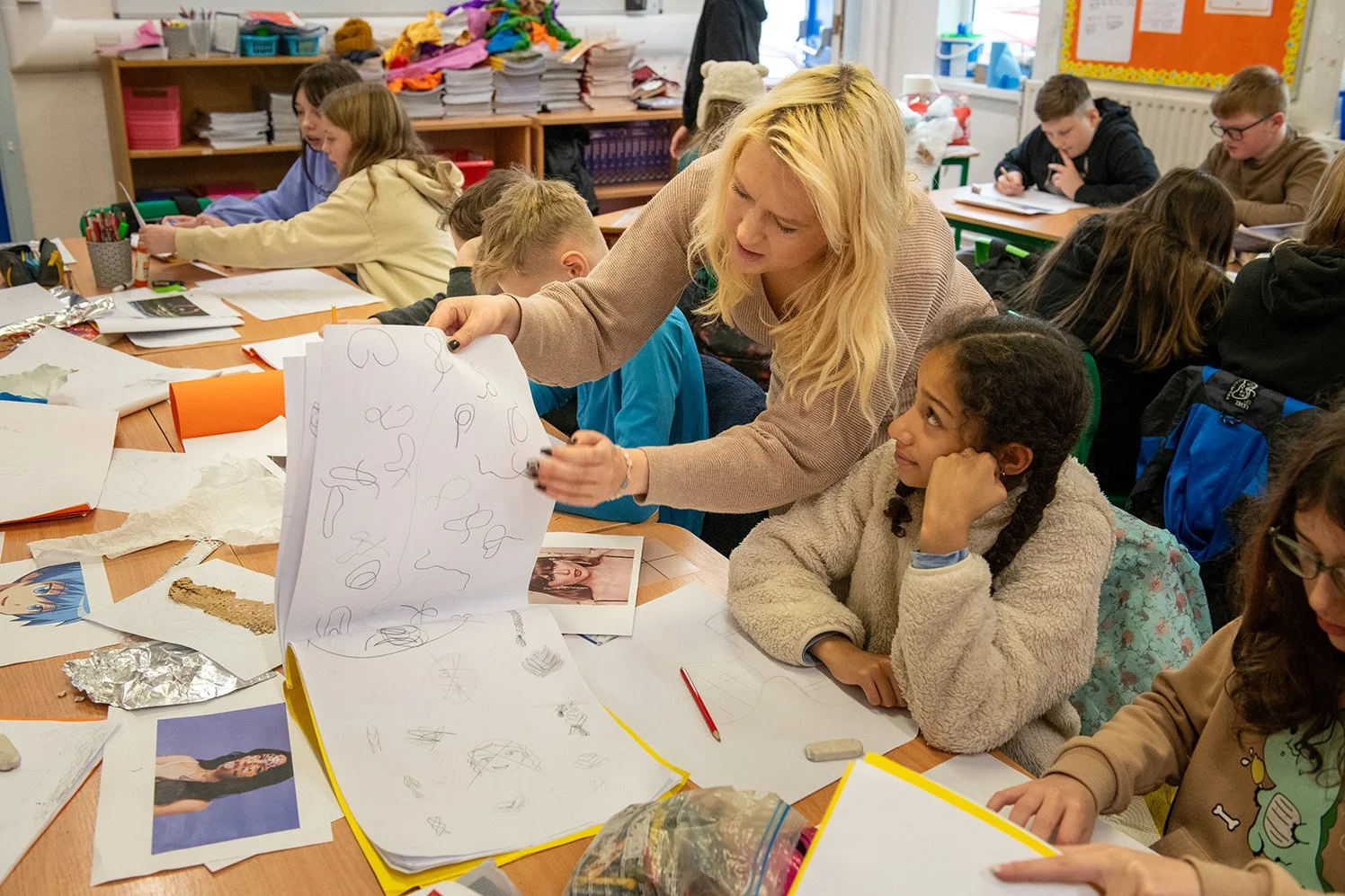
During the 2024–2025 cycle, I worked with New Ross Educate Together alongside lead artist Kate Murphy, with mentoring from artist David Begley. The programme introduced pupils to contemporary visual-art processes through drawing, portraiture, experimentation and collaborative making.
In 2025–2026, I worked with Clonroche National School alongside lead artist Deirdre Meehan-Buttimer, with mentoring from artist and folklorist Michael Fortune. This programme drew particularly on folklore, place, landscape, printmaking and visual storytelling, inviting pupils to explore the stories held within their surroundings and consider how these might be reimagined through contemporary art.
Although each residency developed in response to its particular school, pupils and lead artist, both programmes valued curiosity, experimentation and the gradual development of ideas over the production of identical or predetermined outcomes.
My Role and Approach
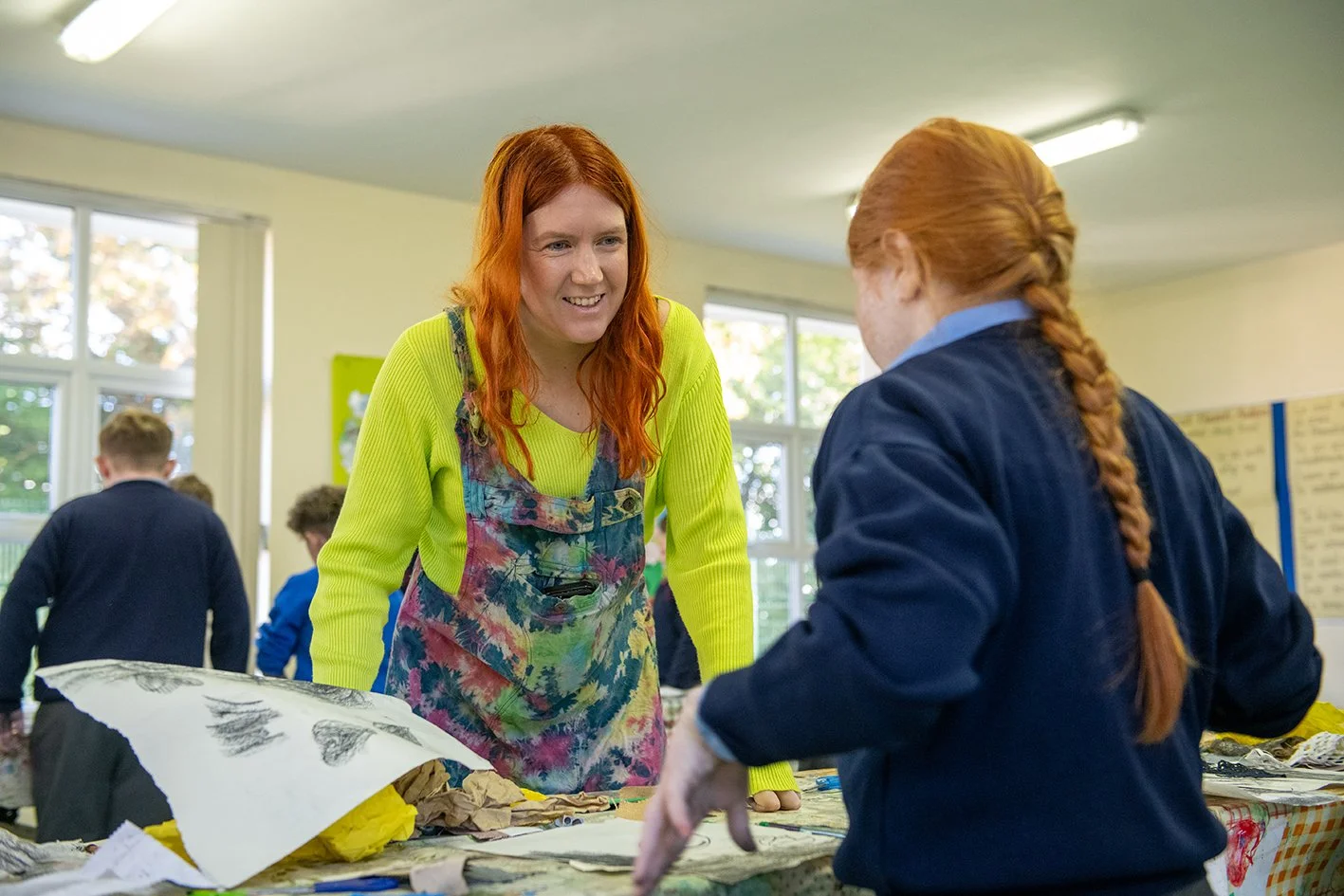
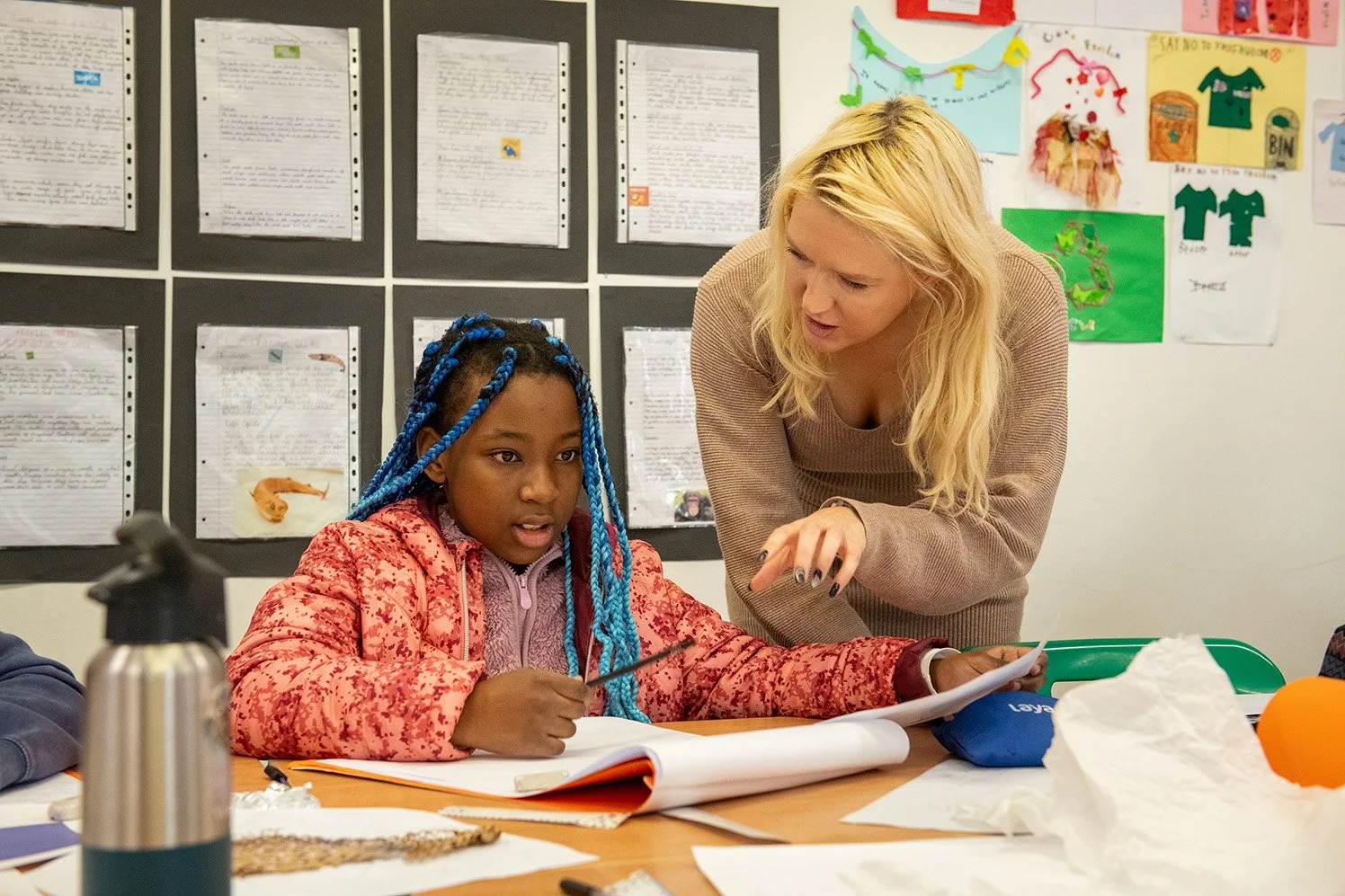
My role involved researching and developing activities, preparing materials, supporting artist demonstrations and providing individual and small-group guidance throughout the creative process.
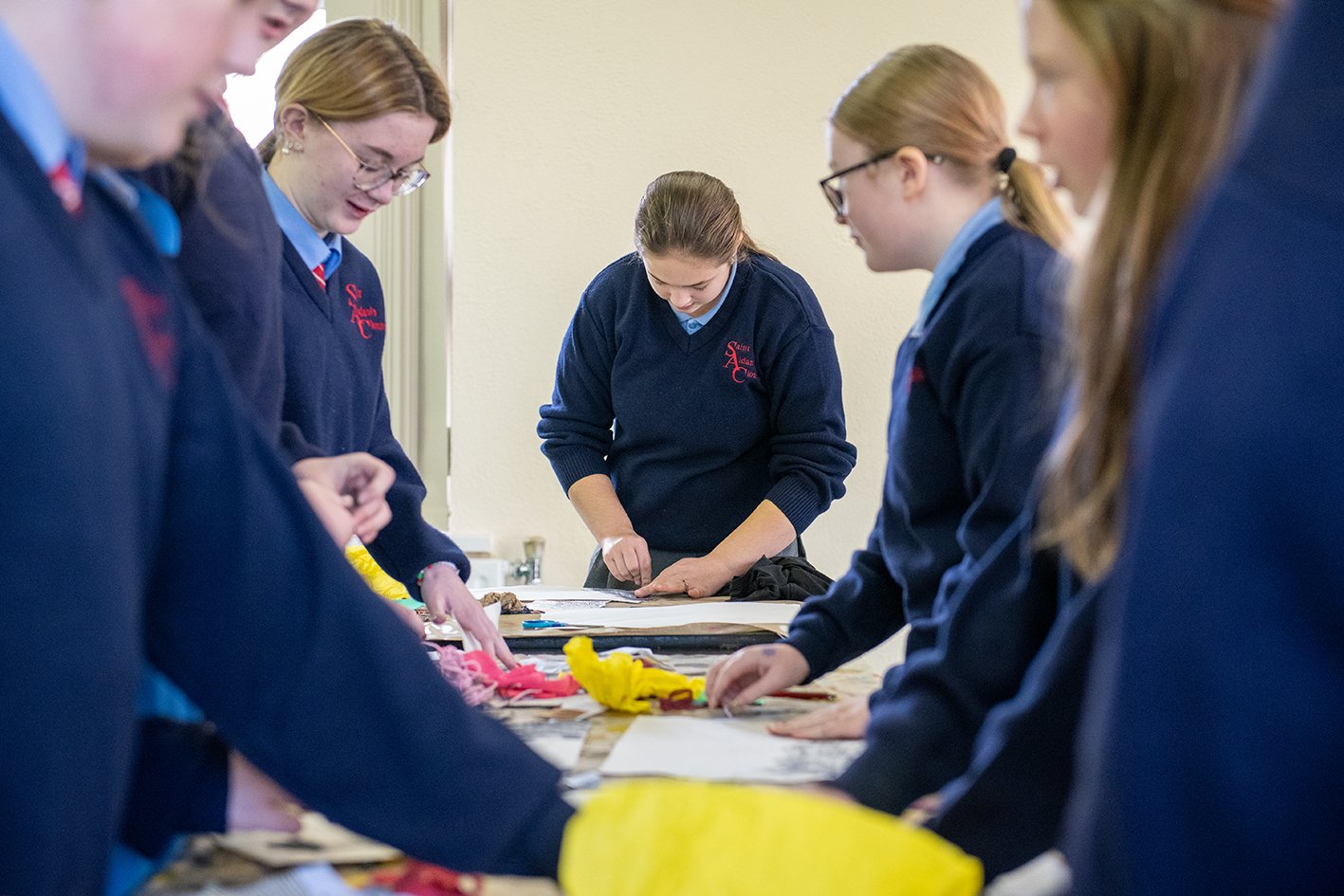
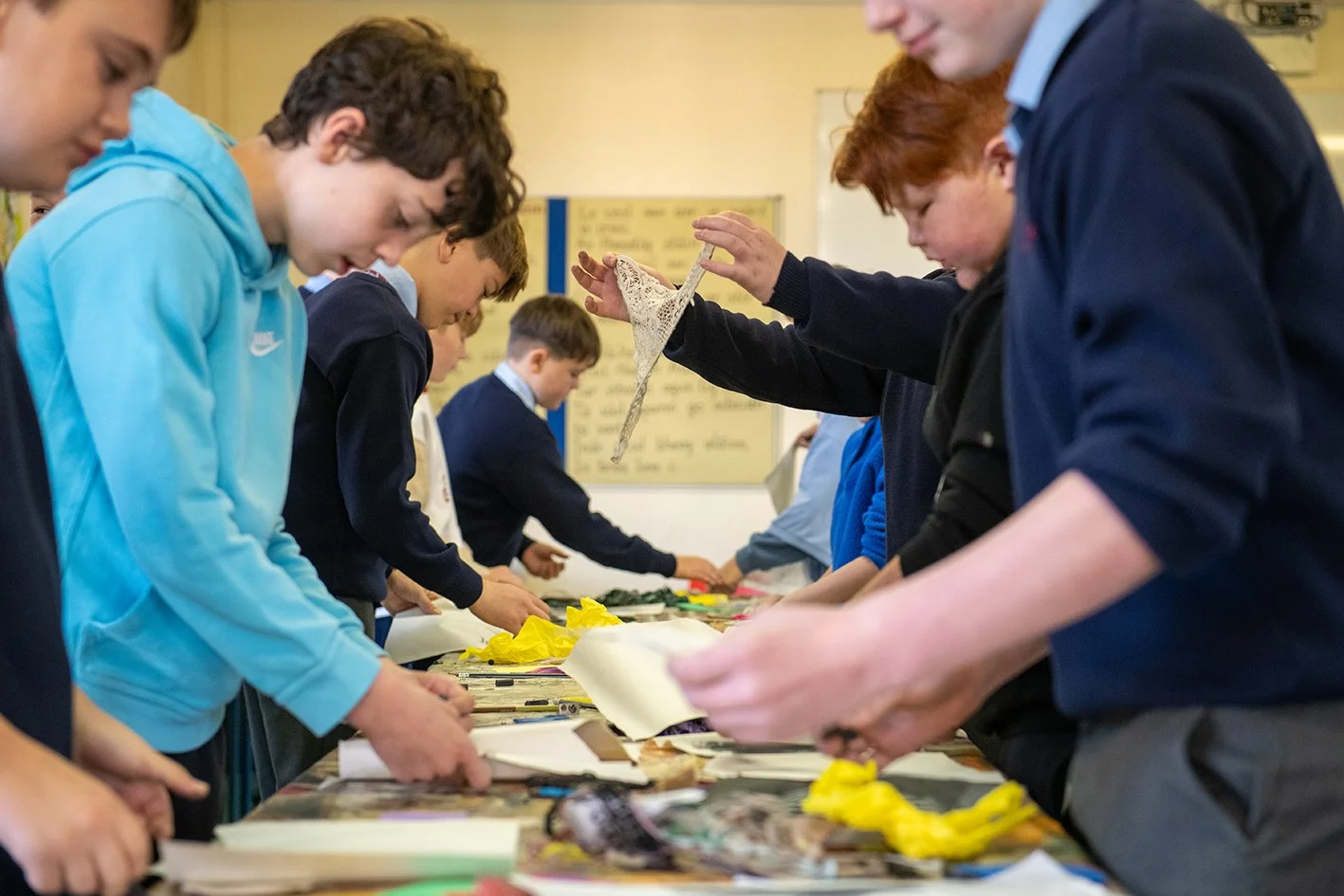
I worked closely with pupils as they experimented with drawing, printmaking, photography, sculpture, installation and collaborative art-making. Activities were adapted to different interests, confidence levels and learning needs, allowing pupils to enter the process in ways that felt accessible and meaningful to them.
My approach was centred on encouragement and attentive observation. Rather than correcting unexpected outcomes, I supported pupils to notice what was emerging, make their own creative decisions and recognise the value of experimentation. As trust and familiarity developed, pupils became increasingly confident in sharing ideas, trying unfamiliar materials and responding to one another’s work.
Collaboration with the lead artists and class teachers was central to this process. By reflecting together on each session, we could respond to the pupils’ interests and allow the programme to evolve rather than following a completely fixed plan.
Folklore, Storytelling and Place
Folklore and storytelling offered a way for pupils to connect creative practice with their local environment and cultural heritage. Stories, memories, observations and details from the surrounding landscape became starting points for visual exploration.
The pupils were encouraged to consider place as something layered with lived experience and imagination. Through research and art-making, familiar environments could become settings for new stories, characters and possibilities.
This approach created space for children’s own knowledge and experiences to enter the programme. Folklore was not treated as something fixed in the past, but as a living and changing practice that pupils could question, interpret and contribute to through their own artwork.
From Classroom to Gallery
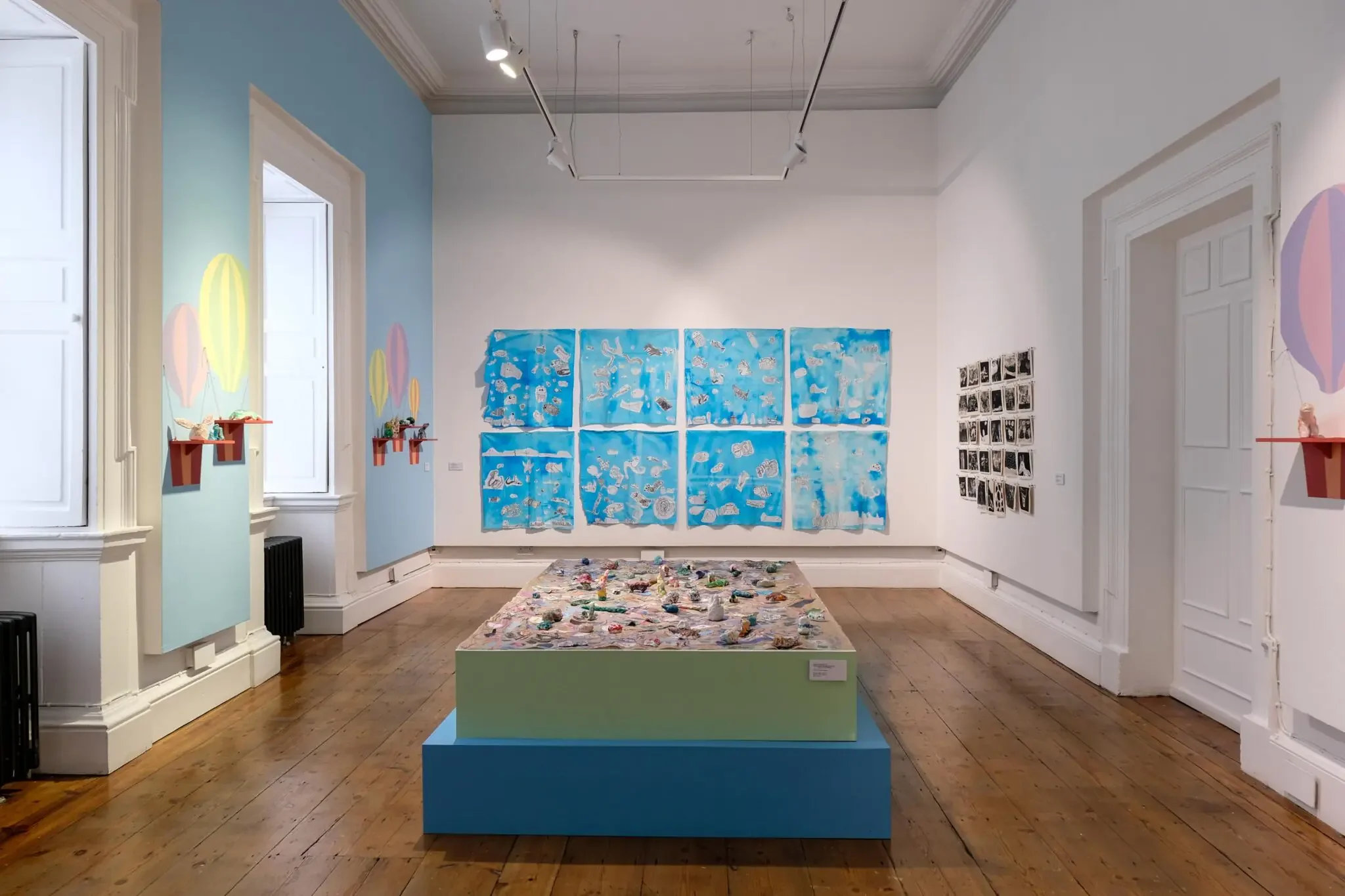
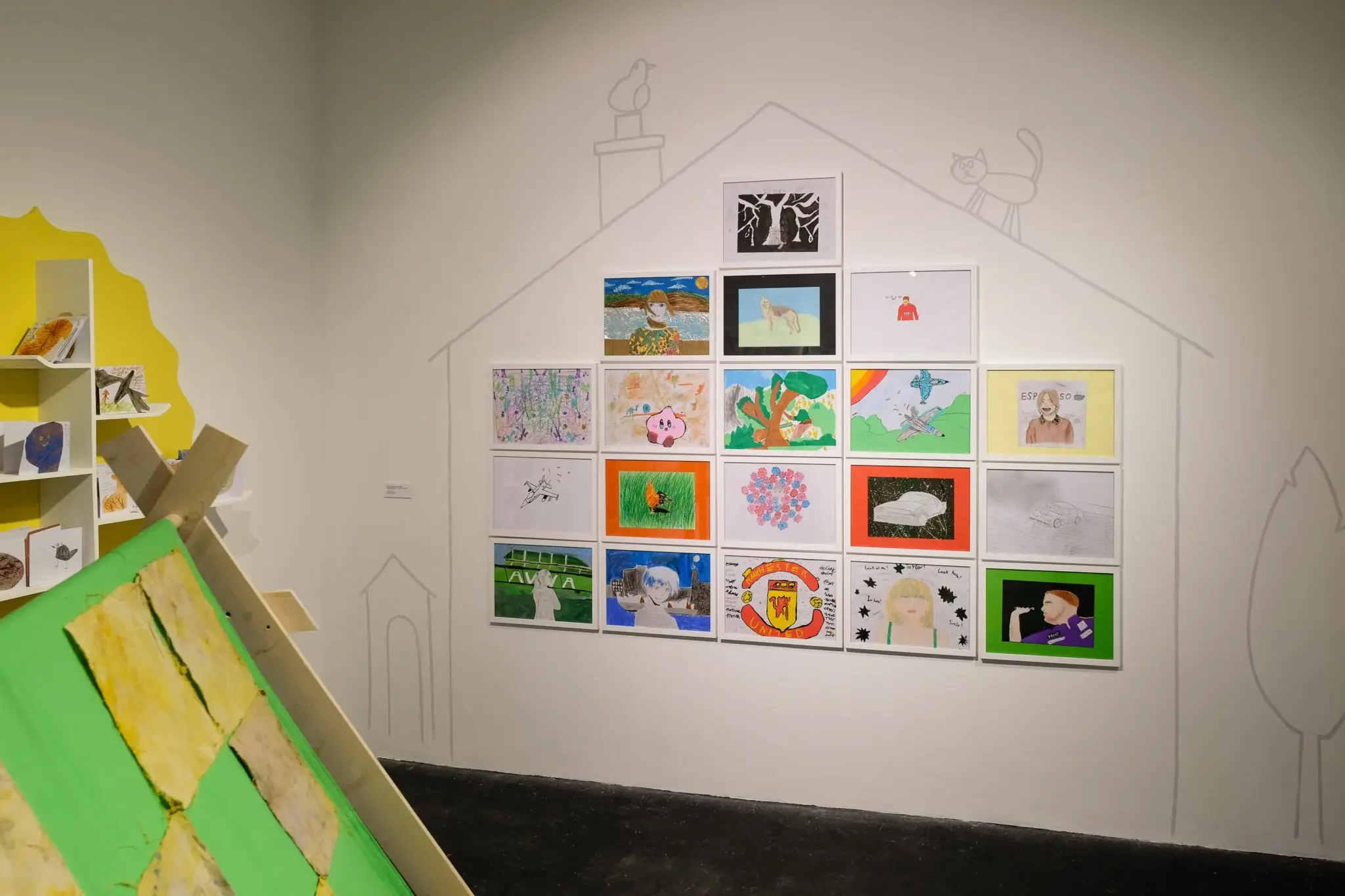
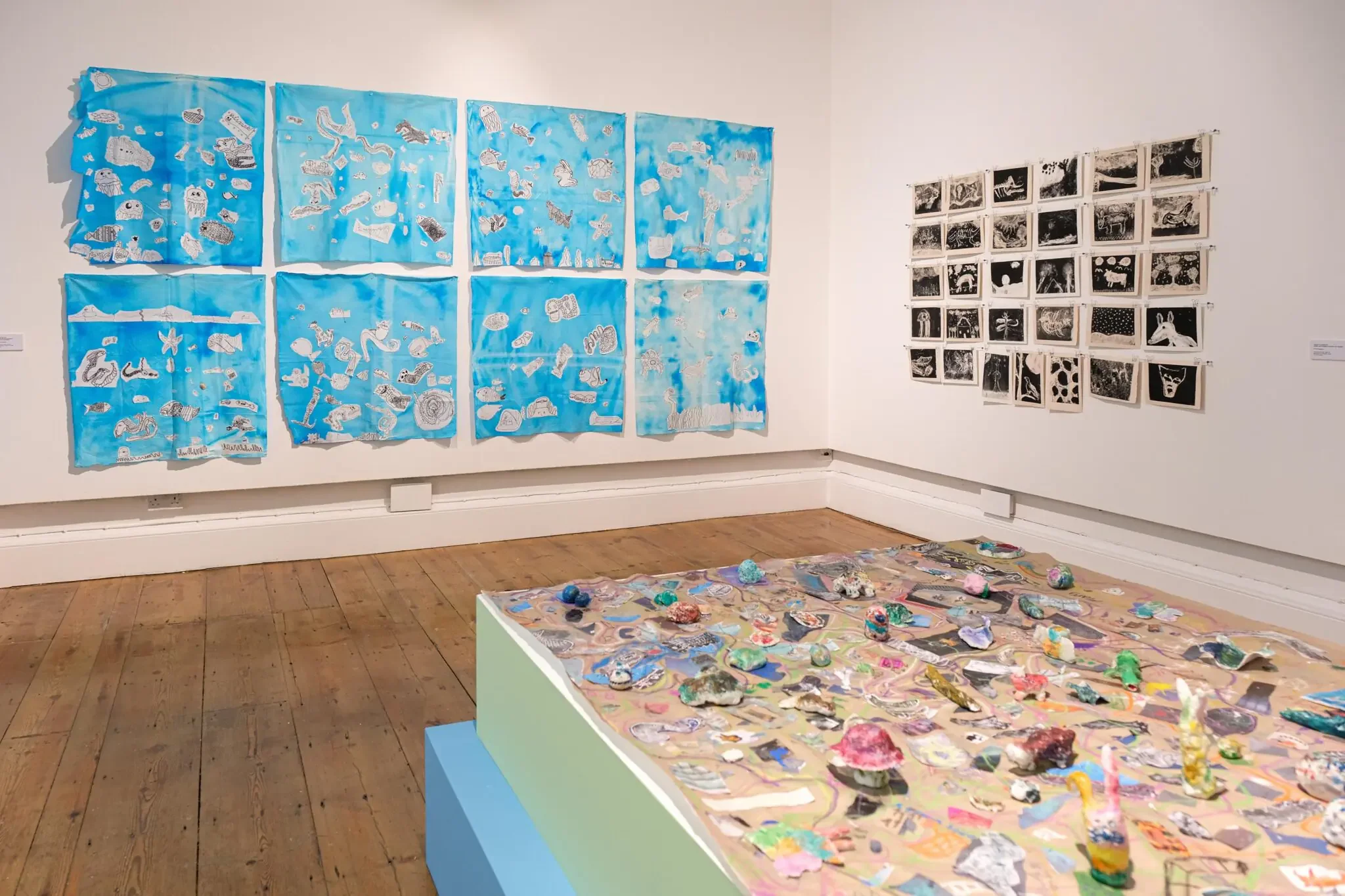
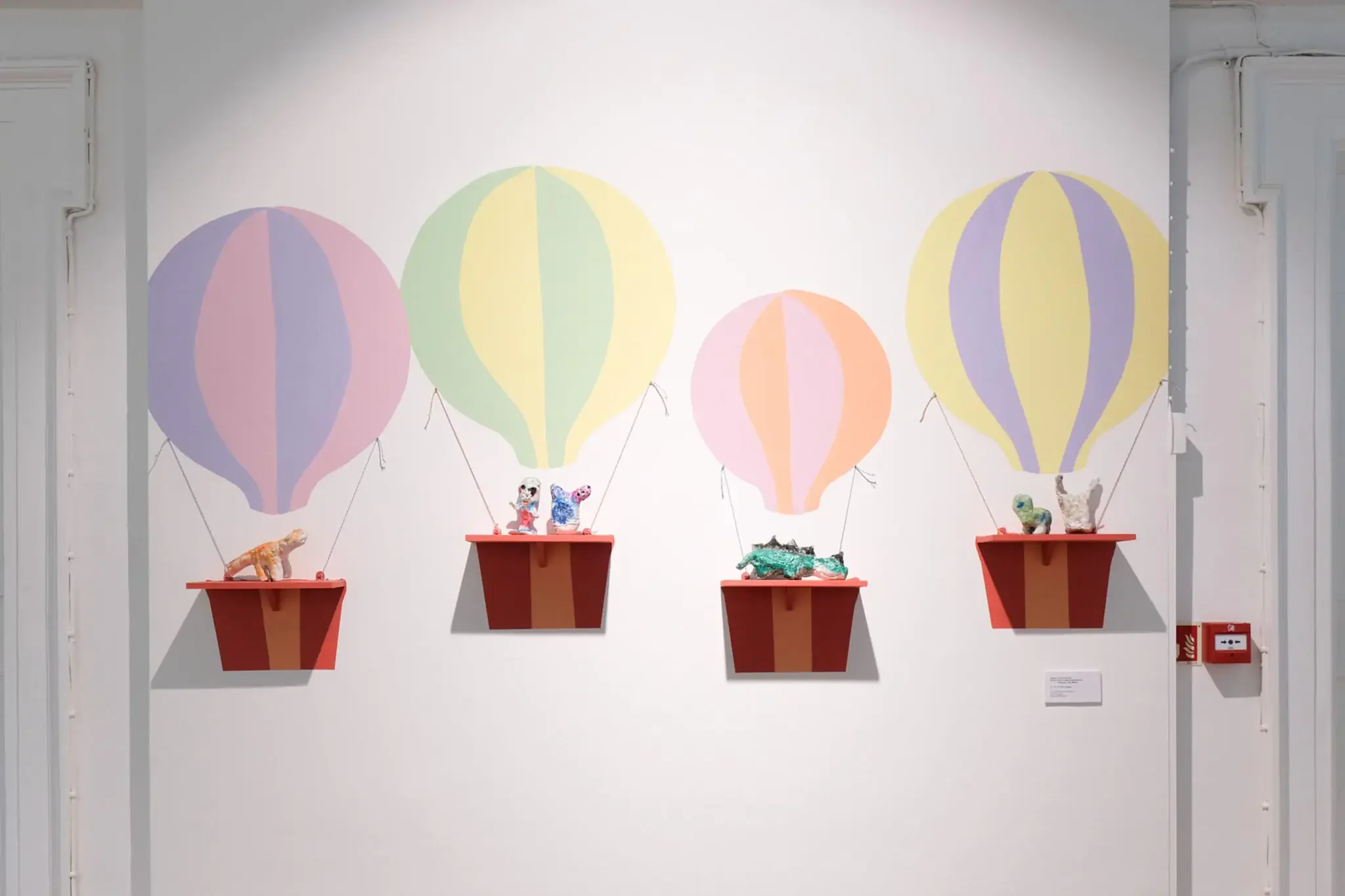
Each programme culminated in a group exhibition at Wexford Arts Centre, presenting work created by pupils across the participating Living Arts schools.
I worked with the Lead Artists, curator Catherine Bowe and the project team to help prepare artworks for exhibition, coordinate their delivery and support decisions around installation and presentation. Pupils were able to see work that had begun in their classrooms encountered by families, other schools and members of the public within a professional gallery setting.
The pupils later visited their exhibition and engaged with the Wexford County Council Art Collection through guided tours and creative gallery activities. These visits encouraged them to view themselves not only as learners, but as exhibiting artists whose ideas and work belonged within a cultural space.
Creative Outcomes
The residencies resulted in individual and collaborative work spanning drawing, printmaking, photography, sculpture, installation, sound and visual storytelling. The final exhibitions brought together many different voices and approaches rather than seeking a single uniform outcome. Each work retained evidence of the pupil’s decisions, interests and way of seeing.
Across the two years, the Living Arts Project demonstrated the value of sustained creative engagement.
Professional Learning
The Living Arts Project also played an important role in the development of my own practice as an artist and facilitator. Working alongside Kate Murphy and Deirdre Meehan-Buttimer, with mentorship from David Begley and Michael Fortune, allowed me to deepen my understanding of collaborative practice, visual storytelling and the adaptation of studio processes for primary-school settings.
The support of the artists, mentors, curator Catherine Bowe and the wider Wexford Arts Centre team strengthened my confidence in developing longer-term participatory projects. The experience continues to inform how I approach facilitation: beginning with curiosity, allowing projects to evolve responsively and recognising children as artists with knowledge, stories and creative agency of their own.
Photos courtesy of Living Arts Project